

Leadership Talk Series
Theme:
Leading Transformation in Manufacturing and Industrial Operations
Mr. Vadiraj Kulkarni
Business Head, Grasim Industries Ltd
Date: 18th-June-2026

Highlights:
- Manufacturing transformation begins with business strategy, not technology.
- Industry 4.0 enables agile, efficient and sustainable manufacturing systems.
- Digital transformation demands culture, capability and execution discipline.
- Leadership drives scalable change through innovation and continuous improvement.
Rather than viewing digitalization as a technology initiative, Mr. Vadiraj Kulkarni presented manufacturing transformation as a disciplined business strategy. The session introduced a structured roadmap beginning with business objectives, followed by pilot implementation, enterprise-wide scaling, and long-term sustainment. Concepts such as Industry 4.0, IoT, advanced analytics, machine learning, and Golden Batch manufacturing were positioned as enablers rather than end goals.
The discussion emphasized that lasting transformation depends on organizational readiness as much as technological capability. Participants explored Centres of Excellence, capability development, change management, sustainability, and investment prioritization, reinforcing that successful transformation is achieved through leadership commitment, continuous learning, and execution discipline.
Theme:
Building Future-Ready Manufacturing Organizations: Leadership, Talent & Transformation
Mr. Kapil Mahajan
Senior Vice President & Chief Human Resources Officer, Aequs Limited
Date: 20th-June-2026
Highlights:
- Culture creates sustainable organizational advantage.
- Leadership develops future-ready talent ecosystems.
- People strategy accelerates business transformation.
- Continuous learning strengthens organizational resilience.
Drawing from his extensive leadership journey across diverse organizations, Mr. Kapil Mahajan reflected on how business transformation begins with people. The session highlighted the importance of cultivating trust, enabling continuous learning, and aligning organizational culture with long-term business aspirations. Leadership was presented as an enabler of both performance and innovation.
The discussion extended beyond traditional HR practices to explore coaching, talent density, employee experience, technology-enabled people practices, and leadership development. Participants gained valuable perspectives on creating resilient organizations where empowered individuals, supported by strong values and adaptive leadership, become the foundation of sustained competitive advantage.
Theme:
Future of Manufacturing Leadership
Mr. Saurabh Khedekar
CEO – Alumina Business, Hindalco Industries Limited (Aditya Birla Group)
Date: 22nd-June-2026
Highlights:
- Geopolitics reshapes global manufacturing priorities.
- Manufacturing shifts from automation to intelligence.
- Leadership demands systems thinking and resilience.
- Human judgment remains central in digital transformation.
Mr. Saurabh Khedekar presented a strategic perspective on the forces redefining global manufacturing. The discussion examined how geopolitics, supply chain disruptions, energy security, sustainability, technological acceleration, and changing customer expectations are reshaping manufacturing enterprises. He emphasized India's opportunity to emerge as a globally competitive manufacturing destination by developing indigenous capabilities, strengthening innovation, and adopting a market-oriented mindset.
The session also explored the evolving role of manufacturing leaders in an AI-enabled world. Participants discussed balancing resilience with efficiency, automation with workforce development, and global competitiveness with sustainable growth. Mr. Khedekar highlighted the importance of systems thinking, scenario planning, executive presence, communication, and sound judgment under ambiguity, reinforcing that while technology will continue to transform manufacturing, human leadership will remain the decisive differentiator.
Theme:
Leading Manufacturing Through Uncertainty
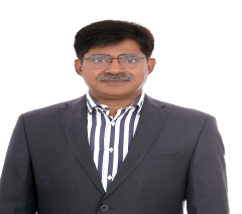
Mr. Kapil Modi
Managing Director, JCAPCPL (A Tata Steel–Nippon Steel Joint Venture)
Date: 27th-June-2026
Highlights:
- Manufacturing leadership demands strategic resilience under uncertainty.
- Geopolitics reshapes industrial competitiveness globally.
- Technology and sustainability redefine manufacturing excellence.
- Systems thinking enables superior leadership decisions.
Beginning with the changing global manufacturing landscape, Mr. Kapil Modi examined how geopolitical developments, supply chain disruptions, workforce transitions, technological acceleration, and sustainability are redefining industrial competitiveness. The discussion highlighted India's opportunity to strengthen its manufacturing position by building indigenous capabilities, fostering entrepreneurship, and creating value beyond scale.
Attention then shifted to leadership itself. Participants explored judgment under ambiguity, scenario planning, external awareness, and balancing competing priorities such as cost versus resilience and automation versus workforce considerations. The session reinforced that future manufacturing leaders must combine strategic foresight with operational excellence while maintaining a holistic view of markets, policy, technology, and people.
Leadership Talk Series
Presentation topic:
The Evolving Role of CSOs in a Value Creation Paradigm
Mr. Vishwa Bandhu Bhattacharya
Partner- Risk Advisory, Deloitte India
Date: 24th-July-2024

Presentation Summary:
- Sustainability is evolving from a compliance requirement to a core strategic driver of business value.
- Frameworks such as the Global Reporting Initiative (GRI) provide credibility and consistency in sustainability reporting.
- Key Performance Differentiators (KPDs) are more relevant than traditional KRAs for measuring sustainability outcomes.
- Translating sustainability goals into actionable initiatives requires cross-functional alignment and ownership.
- Digital maturity and the effective use of augmented (not just artificial) intelligence are vital for impactful decision-making
- Assessing sustainability through financial, natural, social, and human capital ensures long-term business resilience.
In a thought-provoking session, Vishwa Bandhu Bhattacharya, Director, Sustainability at Tata Consumer Products Limited, shared insights on how Chief Sustainability Officers are redefining business value. He outlined the transition from compliance-focused approaches to strategy-led sustainability, with frameworks such as the Global Reporting Initiative (GRI) enabling credible disclosures.The session highlighted sustainability as a core performance metric, the translation of goals into actionable outcomes, and the use of materiality and risk mapping to develop future-ready roadmaps. Mr. Bhattacharya also emphasized the importance of digital maturity, the distinction between augmented and artificial intelligence in decision-making, and the rising relevance of green jobs across value chains.
The discussion concluded with a call to evaluate sustainability through the lens of financial, natural, social, and human capital, positioning it as both a strategic differentiator and a driver of long-term resilience. The institution expresses its gratitude to Mr. Bhattacharya for delivering an inspiring and insightful session on sustainable leadership.
Presentation topic:
From Disruption to Differentiation: Strategic Supply Chain Leadership in a Volatile World
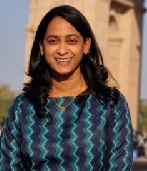
Ms. Divya Seethapathy
Director – Global Supply Chain, Schneider Electric
Date: 1st-June-2025
Presentation Summary:
- Impact of climate change and extreme weather events on global supply chains
-
Risk mitigation strategies
* Strengthening supplier networks and improving financial robustness of lower-tier vendors
* Dual sourcing, buffer lead times, and warehouse proximity
* Building logistics and transport alternatives - Supply chain digitalization for resilience and responsiveness
- Use of GenAI for forecasting, pricing, and smarter decision-making
- Importance of data quality in AI implementations
- Role of Digital Twins in modeling and planning for real-world disruptions
The 19th batch of PGPEX-VLM at IIM Calcutta had the privilege of hosting Ms. Divya Seethapathy, a seasoned supply chain leader from Schneider Electric, for a session under the Launchpad industry connect series. Ms. Divya provided an incisive view into how modern supply chains must adapt to volatility through strategic foresight and digital transformation. Her insights on AI, climate risks, and resilient procurement strategies left the cohort with a deeper understanding of what it takes to lead in today’s dynamic global supply landscape.
Presentation topic:
Decoding the Art of Implementation Consulting
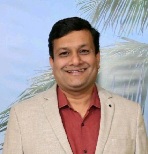
Mr. Piyush Nahar
Director Marketing (Electrical Sector) - Eaton
Date: 14th-June-2025
Presentation Summary:
- Customer-centric leadership through deep understanding of the customer’s customer
- Marketing strategy built on NBO (Never Be Out) and NBB (Never Be Beaten)
- Focused customer segmentation, profiling, and CFO-level engagement
- Use of PEST framework to navigate macro-environmental challenges
- Trust-based leadership: Credibility + Intimacy + Reliability = Trustworthiness
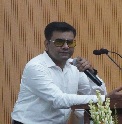
In a captivating session of the Leadership Talk Series, Mr. Piyush Nahar, CEO (Marketing) at Eaton, traced his professional journey across esteemed organizations like Tata Ryerson, Schneider Electric, Tata BlueScope, and now Eaton. His reflections were grounded in decades of experience navigating diverse business environments, from the legacy-driven ethos of the Tata Group to the process-oriented precision of Schneider Electric and the innovation-focused culture at Eaton. Mr. Nahar emphasized how each of these organizations shaped his leadership perspective, particularly in blending a business-centric outlook with a resolute customer-focused approach. Drawing from his time at Tata, he shared how the group’s emphasis on creating long-term value taught him the importance of aligning business strategy with customer needs, not just at the surface level but deeply rooted in understanding the customer’s customer. This, he noted, becomes a critical differentiator in today’s hyper-competitive and interconnected markets.
A key highlight of Mr. Nahar’s talk was his approach to marketing strategy, which he explained through powerful concepts like NBO and NBB -Never Be Out and Never Be Beaten. These principles underscore the dual responsibility of ensuring product availability and market presence (NBO) while constantly striving for competitive superiority (NBB) in pricing, value, and innovation. He encouraged organizations to define and commit to their chosen customer segments, rather than spreading resources thin across multiple fronts. By focusing efforts and understanding segment-specific needs through tools like customer profiling and journey mapping, businesses can offer meaningful solutions and experiences. He shared how CFO-level engagements have become an essential part of understanding what truly matters to clients from operational efficiencies to return on investment highlighting the growing overlap between marketing and financial strategy.
Mr. Nahar also offered insights into how organizations can navigate external challenges by leveraging structured frameworks like PEST - analysing Political, Economic, Social, and Technological environments. He demonstrated how this model helps marketers remain grounded in macro realities while staying agile to emerging trends. Turning the focus to Eaton’s strategic direction, he spoke about the company’s sustainable organizational model which places equal weight on environmental responsibility and business growth. Eaton, he explained, has successfully embedded sustainability across product development, supply chain practices, and corporate culture. Growth at Eaton is approached through a combination of organic development building on internal capabilities when external options are limited and continuous exploration of inorganic opportunities such as acquisitions, partnerships, or new market entries. This dual lens, according to Mr. Nahar, ensures resilience and adaptability in an unpredictable global economy.
What made the talk especially compelling was Mr. Nahar’s emphasis on the human element in leadership. Despite the rise of digital communication and automated systems, he reaffirmed the irreplaceable value of direct, face-to-face interactions in building trust, gathering authentic feedback, and strengthening long-term client relationships. He concluded the session by sharing a powerful formula for Trustworthiness: Credibility + Intimacy + Reliability. According to him, true leadership is not just about expertise, but also about emotional intelligence and consistency. Credibility builds confidence in a leader’s capabilities, intimacy fosters connection and empathy, and reliability ensures that commitments are honoured. These pillars, he asserted, form the foundation of trust something every leader must earn and uphold. His session left the audience with a profound understanding of what it means to lead with purpose, humility, and strategic clarity in today’s complex business landscape.
Presentation topic:
Decoding the Art of Implementation Consulting
Mr. Kankan Paul
Manufacturing Competency Lead, EY Global Delivery Services
Date: 31st-May-2025
Presentation Summary:
- Evolution of implementation consulting in India and Eicher Consulting’s pioneering role
- Managing variability in business operations
- Improving truck turnaround time in the steel industry
- Role of Digital Twins in driving manufacturing transformation
- Strategic approaches to low customer tolerance and demand volatility
- Customer-centric execution vs. vanity metrics
- The breakthrough story of Campa Cola’s market re-entry as a case in adaptive strategy
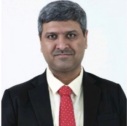
The inaugural session of Launchpad, PGPEX-VLM Co’26’s industry interaction series, kicked off with deep insights from Mr. Kankan Paul of EY GDS. With over two decades of hands-on experience, Mr. Paul walked us through the practical evolution of implementation consulting in India—highlighting not just tools and trends but the thinking frameworks behind real impact.
His emphasis on operational variability, digital transformation, and customer value was eye-opening. Through real-world stories and grounded lessons, Mr. Paul showed us how consultants deliver tangible improvements across industries by focusing on clarity, adaptability, and sustained outcomes.
Presentation topic:
Exploring the Future of Mobility
Mr. Hemal Thakkar
Date: 26th-July-2025
Presentation Summary:
- The automobile sector contributes nearly 8% of India’s total exports and generates a significant multiplier effect on GDP.
- Organized pre-owned vehicle markets are expanding, driven by greater trust, warranties, and value offerings from brands like True Value.
- Shorter replacement cycles are emerging, indicating quicker consumer upgrades and changing ownership patterns.
- Shared mobility platforms (Ola, Uber) are influencing urban transport choices and vehicle usage habits.
- Passenger vehicle demand is shifting towards premium UV segments.
- The EV market is becoming increasingly competitive, with leadership hinging on innovation, scalability, and demand readiness.
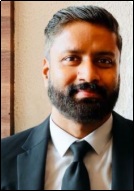
In a deeply insightful session, Mr. Thakkar drew on over 17 years of leadership experience to outline the forces reshaping India’s automobile industry. He highlighted the sector’s pivotal economic role, contributing nearly 8% of total exports and creating a strong multiplier effect on GDP. The discussion explored the rapid growth of organized pre-owned markets, fueled by consumer trust, warranties, and value-focused offerings from players like True Value.
Mr. Thakkar noted the trend towards shorter replacement cycles, signaling faster upgrades and evolving consumer behavior. He examined the impact of shared mobility platforms such as Ola and Uber on urban transportation patterns, as well as the ongoing shift in passenger vehicle demand towards premium UV segments. A significant focus was placed on the electric vehicle landscape, where intensifying competition will make innovation, scalability, and market readiness the defining factors for leadership.
By combining macroeconomic context with practical, market-level observations, the session equipped the cohort with a sharper understanding of how technological, consumer, and competitive shifts are transforming mobility - both in India and globally.
Presentation topic:
From Execution to Strategy through a Mindset Shift for Future Operations Leaders
Mr. Dhritiman Chakraborty
Director of Operations at Ingram Micro India
Date: 28th-June-2025
Presentation Summary:
- Shift from execution to strategy: Supply chain leaders must move beyond daily operations to think long-term and strategically.
- Understand the 'why': Align everyday decisions with broader business objectives to drive meaningful impact.
- Embrace technology strategically: Use digital tools and AI not just for efficiency, but as enablers of transformation.
- Foster cross-functional collaboration: Break silos to enhance agility and holistic problem-solving.
- Lead with resilience and intent: Continuously learn, delegate purposefully, and adapt to navigate complexity.
Session Summary
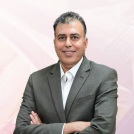
PGPEX VLM Co’26 had the privilege of hosting Mr. Dhritiman Chakraborty, Director of Operations at Ingram Micro India, for an engaging Leadership talk. He highlighted the evolving role of supply chain leaders amidst geopolitical risks, digital disruption, and emerging technologies, urging a shift from tactical execution to strategic thinking. Emphasizing the importance of aligning actions with enterprise goals, fostering cross-functional collaboration, and viewing technology as a strategic enabler, Mr. Chakraborty called for resilience, agility, and continuous learning to lead effectively in today’s complex business landscape.
Detailed Write up: -
PGPEX VLM Co’26 had the privilege of hosting Mr. Dhritiman Chakraborty, Director of Operations at Ingram Micro India, for an insightful leadership session titled “From Execution to Strategy - Mindset Shift for Future Operations Leaders.” The session provided a deep dive into the evolving role of supply chain professionals and the strategic mindset required to lead in today’s complex and fast-changing business environment.
The session focused on the evolving expectations from supply chain professionals to think strategically in the face of challenges such as geopolitical risk, digital disruption and the integration of emerging technologies like artificial intelligence. Mr. Chakraborty emphasized that while tactical decision-making remains essential for short-term performance, it can constrain leaders within daily execution, limiting their long-term impact.
He advocated for a shift from focusing solely on the “what” and “how” to understanding the “why,” urging professionals to align everyday actions with broader enterprise objectives. He further highlighted the importance of cross-functional collaboration, empowering teams, and adopting technology as a strategic enabler rather than merely a tool for efficiency.
Throughout the session, Mr. Chakraborty emphasized the critical need for resilience, agility, and strategic clarity in today’s dynamic environment. He concluded with a compelling call to action, encouraging future leaders to continuously learn, delegate purposefully, and operate with strategic intent to successfully navigate complexity and shape the future of supply chain leadership.
Presentation topic:
From Execution to Innovation: The Evolving Role of GCCs and the Rise of Digital Transformation
Mr. Ashish Sharma
Managing Director and Head of India Technology Centre at CNH
Date: 15th-July-2025
Presentation Summary:
- Redefining Global Capability Centers: The session emphasized the shift of GCCs in India from traditional support functions to strategic enablers of enterprise-wide innovation, talent development, and global product leadership.
- Pioneering Technological Applications: Mr. Sharma illustrated the integration of cutting edge solutions such as drones, robotics, and computer vision into agriculture, underscoring India's expanding role in global R&D and engineering excellence.
- Competitive Advantage: The discussion highlighted how organizations are leveraging India’s ecosystem for speed, scalability, and resilience, positioning their technology centers as catalysts for digital transformation and long term growth.
What drives the transformation of Global Capability Centers from execution-focused units to engines of innovation and strategic value?
As part of the Executive Speaker Series, the PGPEX VLM cohort had the opportunity to engage with Mr. Ashish Sharma, Managing Director and Head of India Technology Centre at CNH, in a session that explored this very question.
In his talk titled "From Execution to Innovation: The Evolving Role of GCCs and the Rise of Digital Transformation," Mr. Sharma shared how India’s GCCs are playing a critical role in global product development and digital innovation while evolving into strategic platforms for capability building.
The session explored the integration of advanced technologies such as drones, robotics, and camera vision in agriculture, showcasing how innovation and product platforms are shaping the future of global enterprises. The cohort gained valuable insights into how speed, agility, and access to talent are enabling GCCs to emerge as catalysts for long-term resilience and transformation.